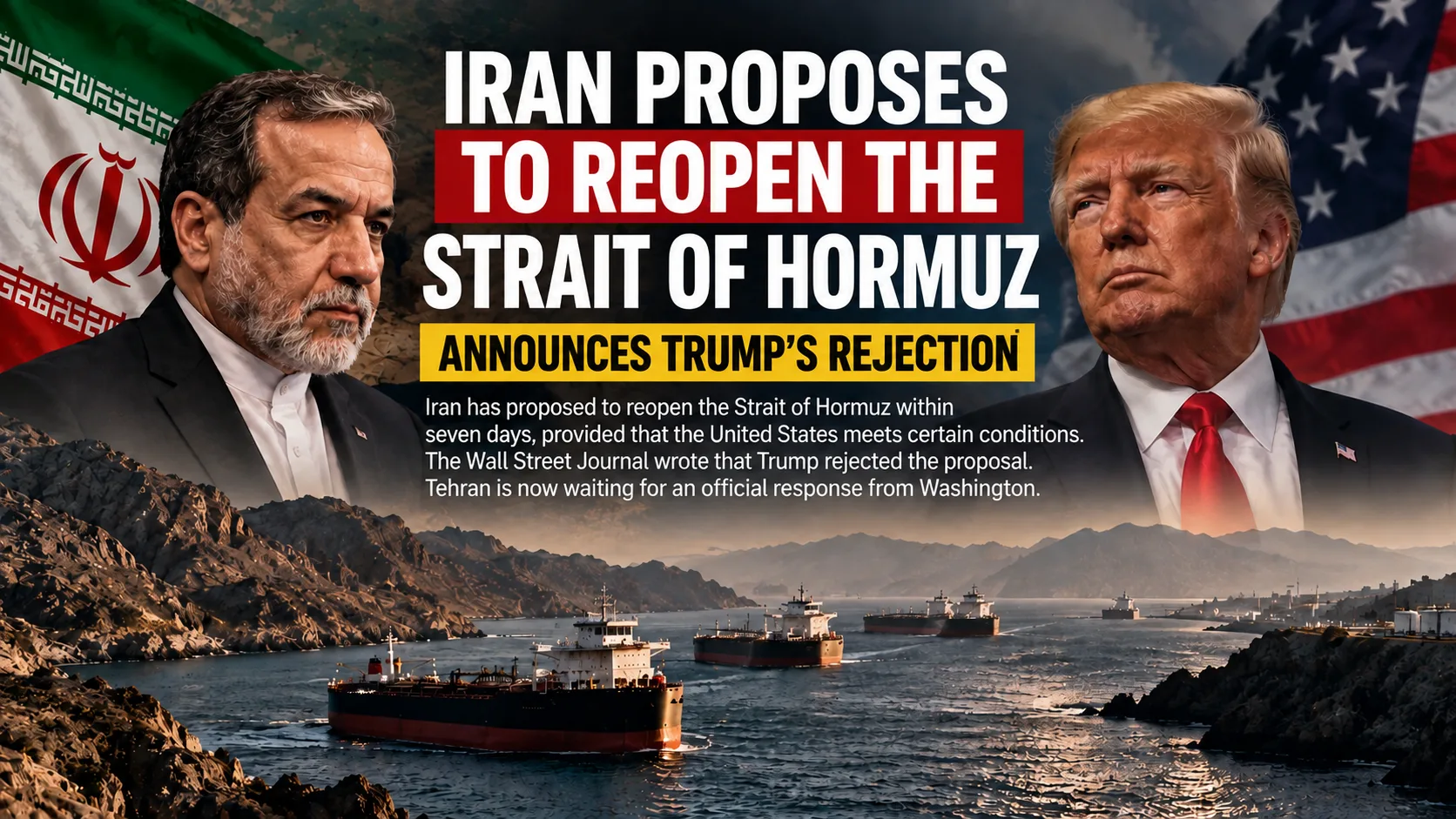
A new diplomatic development has emerged between Iran and the United States over the Strait of Hormuz. Tehran has offered to reopen the strategically important waterway within seven days if the United States meets certain conditions.
Iranian Foreign Minister Abbas Araghchi said on September 25 on the sidelines of the United Nations General Assembly that Tehran had presented Washington with a “concrete” seven-day plan. Araghchi said normal maritime passage could be restored within seven days if the necessary conditions were met.
Iran’s proposal includes the lifting of the US naval blockade on Iranian ports, easing sanctions on Iranian oil and steps toward ending the fighting in the region. Tehran also said the proposal had been conveyed to Washington through Qatar.
However, a new report has emerged regarding President Donald Trump’s response. The Wall Street Journal, citing US officials, reported that Trump had rejected Iran’s seven-day proposal. According to the report, Trump remains skeptical of Iran’s commitments and expects the current pressure campaign to continue.
Reuters reported on September 26 that Iran was still awaiting an official response from Washington. As a result, the reported rejection currently comes from The Wall Street Journal’s account citing US officials, while there had been no publicly released official statement from Washington confirming the rejection at the time of publication.
The Strait of Hormuz is one of the world’s most important routes for oil and energy shipments from the Middle East. A prolonged disruption could have major consequences for global energy markets, oil prices and maritime trade.
The development is also relevant for Turkey. Continued uncertainty around the Strait of Hormuz could affect energy prices and, in turn, Turkey’s energy costs and broader economic outlook.
Whether the United States will formally respond to Iran’s proposal and whether the Strait of Hormuz will be reopened are expected to remain major regional and global issues in the coming days.
Iran Offers 7-Day Plan to Reopen Strait of Hormuz, Trump Reportedly Rejects Proposal
Iran has offered to reopen the Strait of Hormuz within seven days if the United States meets certain conditions. The Wall Street Journal reported that President Donald Trump rejected the proposal, while Tehran says it is still awaiting an official response from Washington.
Comments
0Join WeeklyTurk to comment
Create a free account to join the discussion and share your view.
No comments yet.